

Sustainable and Eco-Friendly Music Merch: Trends and Tips for Artists and Fans
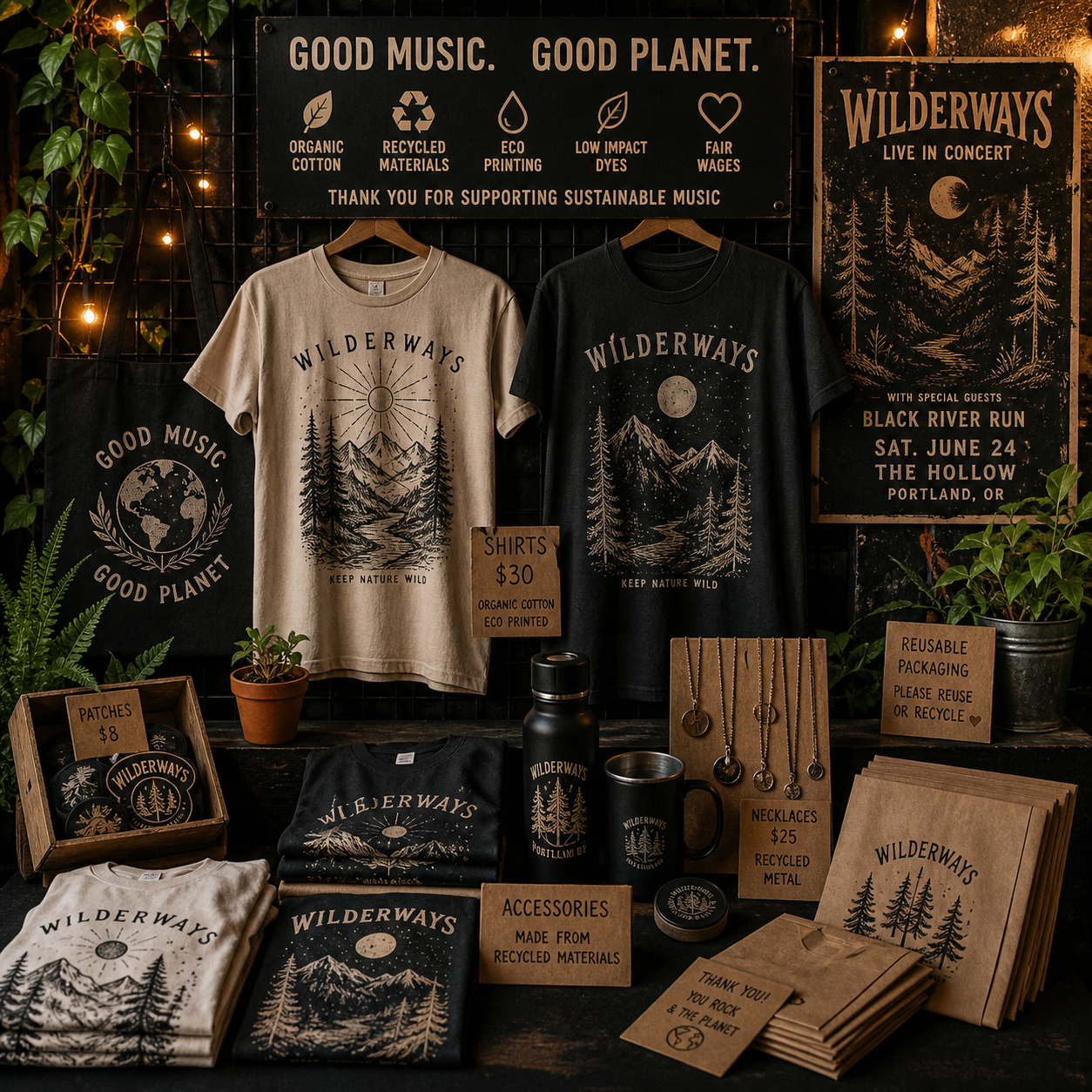
Sustainable music merch considers the entire journey of a product: design, materials, manufacturing, packaging, shipping, use, and end of life. For artists and fans, the goal is practical rather than perfect: create and buy useful, durable merchandise while reducing waste, resource consumption, and the overall carbon footprint.
A T-shirt, tote bag, poster, or vinyl package can carry more environmental and ethical consequences than its retail price suggests. Fiber production uses land, water, and energy; printing involves chemicals and electricity; shipping adds emissions; and unsold stock may sit in storage for years. Better decisions at each stage can make music merchandise more responsible without removing the creativity that makes it appealing.
Why Sustainable Music Merch Matters
Sustainable music merch reduces avoidable environmental impact and supports better labor practices across the product lifecycle. The biggest gains usually come from preventing overproduction, selecting appropriate materials, improving durability, and making sourcing information visible.
Apparel often creates the largest impact because it combines textile production, dyeing, cutting, sewing, printing, and transport. Conventional cotton can require substantial irrigation and agricultural inputs, while synthetic fibers such as virgin polyester depend on fossil resources. Neither choice tells the whole story: a long-lasting garment worn frequently may be preferable to a supposedly greener item that quickly loses its shape.
Ethical manufacturing matters alongside environmental performance. Responsible merch suppliers should be able to explain where garments are made, who produces them, and whether factories follow recognized labor and safety requirements. A low-impact fabric does not automatically guarantee fair wages or safe working conditions.
Packaging, fulfillment, and waste also deserve attention. Individual plastic mailers, oversized boxes, split shipments, and disposable promotional inserts can increase the footprint of a relatively small order. Unsold merchandise creates another problem because production impacts have already occurred, even when products never reach a fan.
Key Trends in Eco-Friendly Music Merchandise
The leading eco-friendly music merchandise trends are made-to-order production, recycled and organic materials, limited drops, upcycled designs, and durable products with repeat use. These approaches help artists match supply more closely to real demand.
Made-to-order and limited production
Made-to-order production prints or assembles products after a customer places an order. It can reduce unsold inventory, although each item may take longer to ship and individual orders can require separate fulfillment. Small-batch testing offers a useful middle ground: release 25 to 100 units, measure demand, then reorder the strongest designs.
Limited drops work best when they reflect genuine production limits rather than artificial urgency. Publishing a clear restock policy and estimated production timeline helps fans make informed choices.
Recycled and upcycled merchandise
Recycled polyester made from materials such as post-consumer plastic can reduce reliance on virgin polyester, particularly in bags, outerwear, and performance garments. It still remains a synthetic fiber, and washing can release microfibers. Recycled cotton can reduce demand for new fiber but may need blending to achieve sufficient strength.
Upcycled merchandise gives existing textiles or garments a second life. Patchwork stagewear, reconstructed denim, one-of-a-kind jackets, and remade banners can create distinctive products. The trade-off is scalability: upcycled items require more labor and rarely produce identical units.
Useful products that last
Durable tote bags, repairable hats, reusable drinkware, patches, and high-quality shirts often deliver more value than novelty items. A product used 50 times generally makes better use of its production impact than one purchased for a single photo.
Choosing Sustainable Materials and Production Methods
Choose materials and production methods by matching environmental benefits with durability, use case, supplier transparency, and end-of-life options. There is no universally best fabric; the right choice depends on the product and how fans will use it.
| Option | Strengths | Trade-offs |
|---|---|---|
| Organic cotton | Plant-based fiber with reduced reliance on many conventional agricultural inputs; familiar, breathable, and printable | Still uses land and water; certification and farming practices vary |
| Recycled polyester | Uses recycled feedstock and performs well for bags, athletic wear, and outer layers | Remains synthetic, may shed microfibers, and is not biodegradable |
| Recycled cotton | Uses textile waste and can lower demand for virgin fibers | Shorter fibers may reduce strength; blends are common |
| Hemp or linen blends | Can provide durable, breathable alternatives for selected garments | Availability, feel, price, and supplier verification vary |
Organic cotton is often a sensible choice for everyday band T-shirts, especially when the shirt is well constructed and certified material claims are documented. Recycled polyester may be more functional for rain-resistant bags or sports merchandise. Choosing one for convenience means accepting its limitations, so product performance should remain part of the decision.
Printing can also change the impact profile. Water-based and non-toxic inks generally avoid some of the harsher solvents associated with plastisol printing and can produce a softer hand feel. Ask printers about curing energy, wash durability, ink composition, and wastewater controls rather than treating the phrase water-based as a complete environmental certification.
Low-impact dyes, efficient cutting layouts, renewable electricity, and ethical manufacturing policies can improve production further. Suppliers should provide specific information, such as fiber percentages, factory location, relevant certifications, and packaging materials. The U.S. Environmental Protection Agency’s guidance on environmental marketing is useful background when assessing broad environmental claims.
Practical Tips for Artists Creating Greener Merch
Artists can reduce merch impact by producing less excess, choosing products fans will use, documenting suppliers, and designing for long service. A simple decision framework is the “use, proof, life” test: will fans use it, can you prove the claim, and will it last?
- Start with demand. Review previous sales by size, color, location, and season. If a tour sold 70 black medium shirts but only 12 yellow small shirts, let that evidence guide the next order.
- Test designs in small batches. Sample the fabric, print, stitching, and wash performance before committing to hundreds of units. A test wash after five and ten cycles can reveal cracking or shrinking.
- Prioritize durable blanks. A heavier organic cotton shirt may cost more upfront but can remain wearable longer. Publish care instructions that help fans extend its life.
- Ask for sourcing documents. Request material composition, factory details, certification scope, ink information, and packaging specifications. Keep records so sustainability statements remain accurate.
- Design beyond the event. Artwork that works at a concert and in ordinary daily life increases the chance that a product will be worn repeatedly.
- Plan the end of life. Favor mono-material products where possible, explain whether components can be recycled, and offer repair, resale, or take-back ideas for higher-value items.
Do not confuse premium pricing with responsible production. A more expensive product may reflect better wages or materials, but the claim needs evidence. Conversely, a low price may result from thin fabric, weak construction, or poor labor conditions. Transparency gives fans the information needed to judge the balance.
Sustainable Packaging, Shipping, and Fulfillment
Sustainable packaging and fulfillment reduce waste by using right-sized materials, consolidating orders, and avoiding unnecessary transport and inserts. Packaging should protect the product with as little material as practical, while remaining suitable for the shipping route.
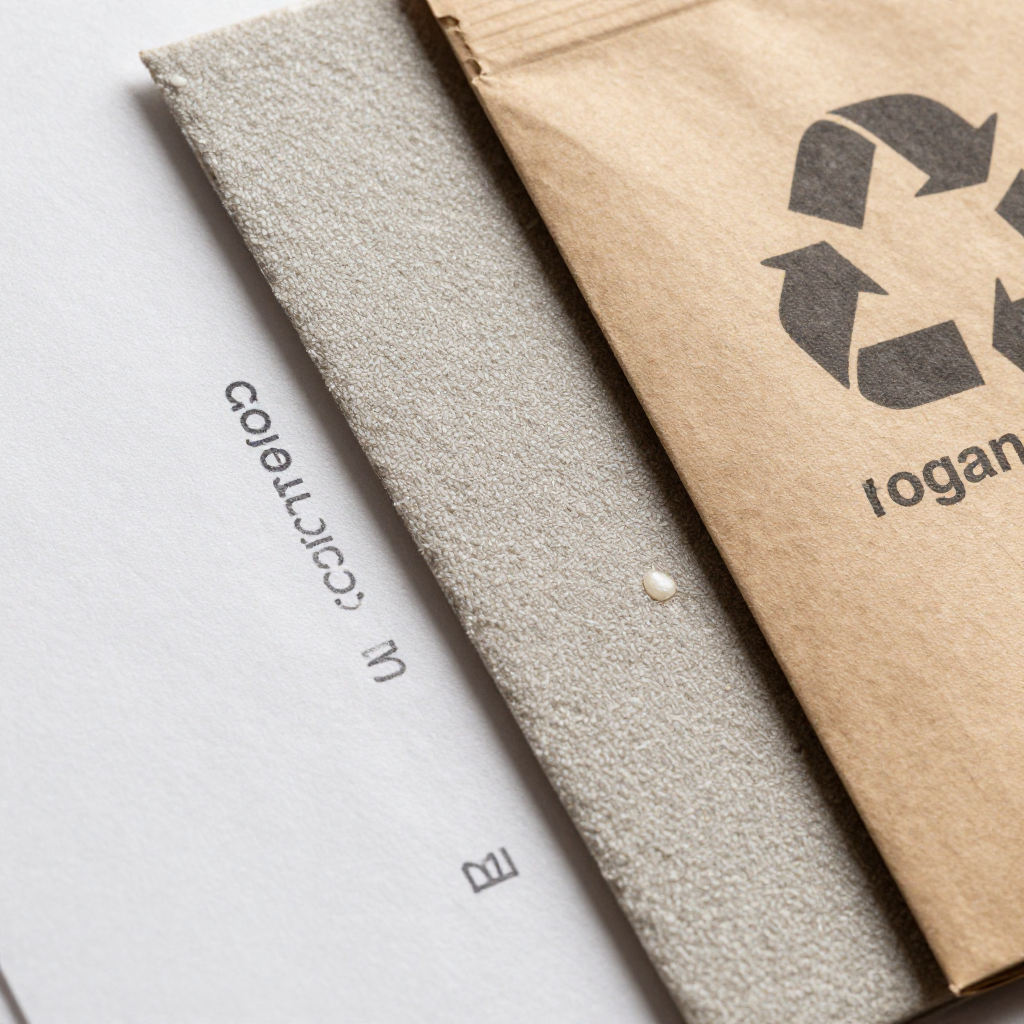
- Use recycled-content mailers, recyclable paper envelopes, or reusable packaging where local systems can process them.
- Remove duplicate plastic sleeves, oversized boxes, and decorative filler that has no practical purpose.
- Print packing slips only when needed and place care information on the product page or a compact recycled-paper card.
- Offer consolidated shipping for customers ordering several items, while clearly stating the longer dispatch window.
- Use local fulfillment partners for regional tours when they can meet quality and inventory requirements.
- Keep packaging claims specific: say “made with 80% post-consumer recycled paper” instead of simply calling it green.
Made-to-order fulfillment can sharply reduce leftover stock, but it may increase per-unit packaging and delivery time. Batch production can be more efficient when demand is predictable. Artists should compare both models using order volume, delivery distance, return rates, and storage needs rather than choosing by label alone.
How Fans Can Shop More Responsibly
Fans can shop more responsibly by checking what an item is made from, who produced it, how long it may last, and whether they will use it repeatedly. The most sustainable purchase is usually a useful product that stays in rotation.
- Read the fiber label: Look for clear percentages such as 100% organic cotton or a defined recycled polyester blend.
- Check production details: Look for a named supplier, country of manufacture, certification information, or a meaningful explanation of ethical manufacturing.
- Assess construction: Inspect seams, fabric weight, print quality, closures, and whether the design suits regular wear.
- Review packaging: Prefer recycled or low-impact packaging that can be reused or processed through local recycling services.
- Consider care: Cold washing, line drying, and avoiding unnecessary tumble drying can extend garment life and reduce energy use.
- Ask whether you need it: A durable patch or tote may serve you better than a novelty item that quickly becomes waste.
Fans can also combine orders with friends, choose slower shipping when available, and buy directly from official stores when that route provides clearer product information. Secondhand music merch, swaps, repairs, and resale support circular fashion by keeping existing items in use.
Avoiding Greenwashing in Music Merch
Greenwashing occurs when merchandise is presented as environmentally responsible through vague, exaggerated, or unsupported claims. Specific evidence is more useful than labels such as green, conscious, natural, or eco-friendly.
Look for the difference between a complete claim and a partial one. “Printed with water-based ink” describes one production step; it does not prove that the garment, factory, packaging, and shipping are low impact. “Made from recycled materials” also needs detail: which material, what percentage, and recycled before or after consumer use?
Common warning signs include:
- Large environmental promises without material percentages or supplier information.
- Leaf imagery and earthy language used in place of verifiable facts.
- Claims that a product is carbon-neutral without explaining measurement, reduction, and offset methods.
- Vague ethical manufacturing statements with no factory, standard, or audit information.
- Emphasis on recyclable packaging while ignoring overproduction or poor product durability.
A credible product page can state both progress and limitations: “This shirt uses 100% certified organic cotton, is printed with water-based ink, ships in recycled paper packaging, and is produced in a facility in Portugal. We have not calculated the product’s full carbon footprint.” That level of honesty builds more trust than a sweeping promise.
Frequently Asked Questions About Sustainable Music Merch
What makes music merchandise sustainable?
Sustainable music merchandise combines responsible materials, ethical manufacturing, durable design, reduced overproduction, low-impact packaging, efficient fulfillment, and a realistic end-of-life plan. No single feature makes a product impact-free.
Is organic cotton better than recycled polyester for band merch?
It depends on the product. Organic cotton often suits breathable everyday shirts, while recycled polyester can perform better in bags, rainwear, and athletic products. Compare durability, use, certification, and microfiber concerns before choosing.
How can artists reduce unsold merchandise?
Artists can review historical sales, run preorders, use made-to-order production, release small batches, and reorder proven designs. Conservative forecasting is usually safer than producing a large quantity for a short campaign.
What should sustainable merch packaging include?
Packaging should provide protection with minimal material and clearly identify whether it is recyclable, reusable, or made with recycled content. Claims should match the recycling facilities available in the target market.
How can fans identify greenwashing?
Ask for specific information about fibers, percentages, factories, inks, packaging, and carbon footprint calculations. Treat broad claims without evidence as marketing language rather than proof of sustainability.
For both artists and fans, the practical standard is straightforward: buy and make fewer unnecessary products, choose items that last, and communicate exactly what has been verified. Sustainable music merch becomes credible when decisions are measurable across the full lifecycle, from the first thread to the final use.