

The Ultimate Guide to Montreal's Best Seafood Restaurants in 2026: Where to Find Fresh, Sustainable, and Innovative Fish Dining Experiences
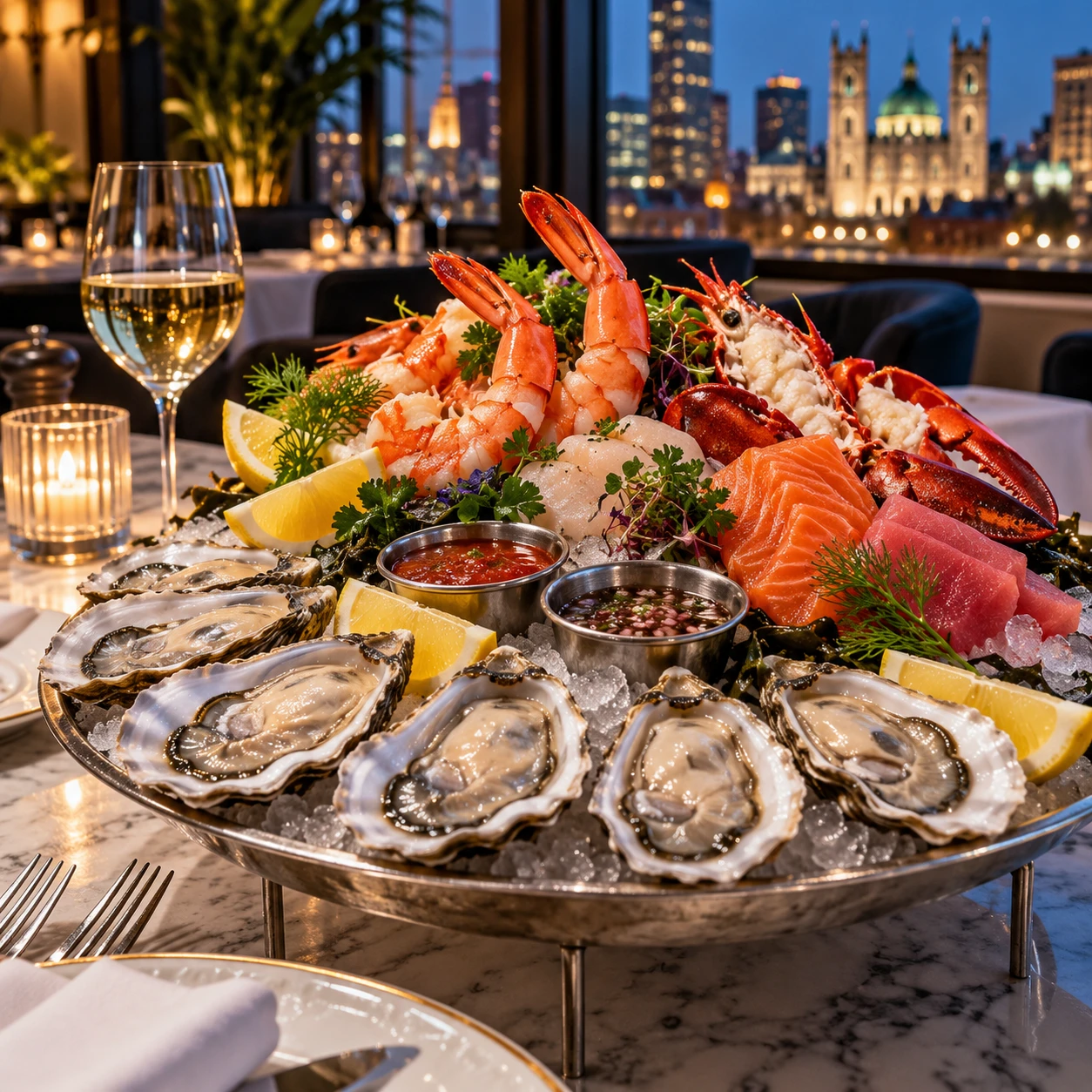
I've spent most of 2026 eating my way through Montreal's seafood scene. What started as me hunting down the city's best oysters turned into something bigger—watching how chefs here are completely rethinking what seafood dining can be in Canada.
Montreal sits between the St. Lawrence River and the Atlantic, which gives it access that most cities can't touch. Pair that with Quebec's food history and a wave of chefs who actually care about where their fish comes from, and you've got a seafood scene that rivals any coastal city. But it's got its own thing going on.
Why Montreal Has Become a Seafood Destination in 2026
This didn't happen overnight. The St. Lawrence has always brought amazing freshwater and saltwater species to the city, but the real shift is in how restaurants approach sourcing and prep now. I've been tracking this for a while—2026 feels like the payoff after years of chefs figuring things out.
Being close to Quebec's fishing communities along the Gulf means restaurants get deliveries of fish caught less than twelve hours ago. I've seen chefs checking their phones at 5 AM to see what's coming in that morning, then rewriting menus on the spot. That ocean-to-plate connection? It's real here, and you can taste it.
Montreal's multicultural identity is the other piece. Walk through Mile End or Little Italy and you'll find Italian crudo next to Japanese-style grilled fish collar, sometimes on the same block. Mediterranean techniques, Portuguese flavors, Nordic prep methods—it's all here, blending in ways that make the city's seafood scene feel unusually diverse.
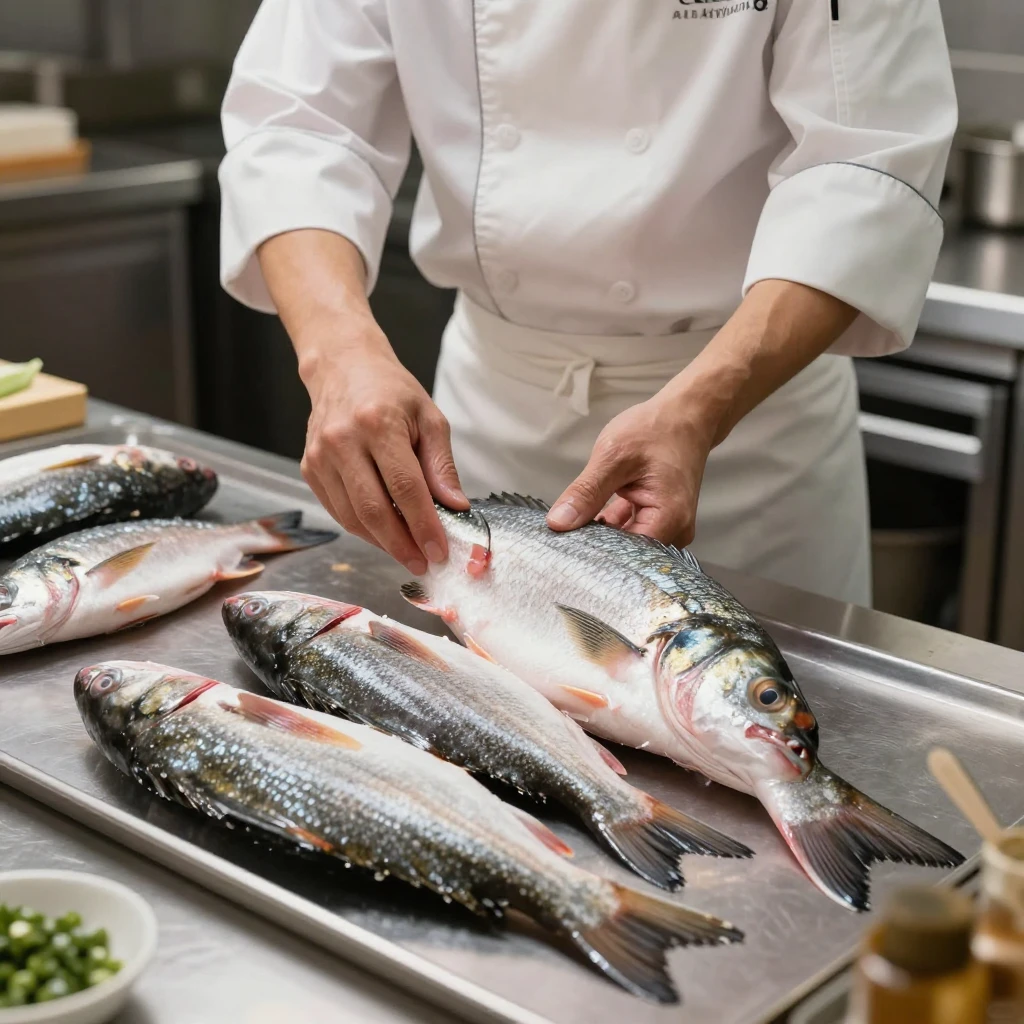
And sustainability isn't a side note anymore. What used to be a few environmentally conscious places has become the standard. Quebec's fishing industry has put serious money into sustainable practices, and Montreal's restaurants have responded. It's actually hard to find a solid seafood spot now that doesn't show you exactly where their fish comes from.
What Makes a Great Seafood Restaurant: Key Factors to Consider
After eating at dozens of places this year, I've figured out what separates the real deal from restaurants that just happen to serve fish. These are the things I look for now.
The best spots treat fish with respect. They know it's delicate, expensive, and goes bad fast—so they're careful at every step. When I walk into a top-tier place, I can tell immediately from how the staff talks about the menu, how precise the prep is, how confident they are about sourcing.
Freshness and Sourcing Transparency
Transparency is everything in 2026. The places I trust don't just say 'fresh fish'—they tell me the boat name, the fishing method, when it arrived. I've seen menus listing harvest dates. Some spots have digital displays showing photos of their fishing partners and the actual waters where today's catch came from.
You can tell when fish is truly fresh. It smells like clean ocean, not 'fishy.' The flesh is firm and bright. Eyes are clear if it's served whole. I've learned to taste the difference between one-day-old fish and three-day-old—that first day has a sweetness and texture you just can't get later.
A few Montreal restaurants now guarantee same-day freshness for certain species. The fish was literally swimming that morning. It costs more, but the difference is massive when you're eating scallops that are still sweet and translucent, or tuna that melts without any metallic aftertaste.
Sustainability Certifications and Practices
Ocean Wise and MSC certifications are everywhere on Montreal menus now, and that's a good thing. These programs verify the seafood comes from fisheries that keep populations healthy and don't trash the environment. I prioritize restaurants displaying these because it shows commitment beyond just buying quality fish.
I also look for seasonal menus. Just like eating tomatoes in summer and squash in fall, sustainable seafood means embracing what's abundant right now. The best restaurants adjust constantly—scallops in winter, soft-shell crab in spring, different tuna species throughout the year.
Some have gone further with zero-waste programs. Fish collars, bones, trim—it all becomes stock, terrines, staff meals. I've watched chefs use every part of the animal, showing respect for the life taken while maximizing value. That matters.
Innovative Seafood Techniques Transforming Montreal's Dining Scene
The most exciting thing I've seen this year is chefs applying techniques to fish that were basically unheard of here a few years ago. Methods traditionally used for meat are now being used on fish and shellfish, creating flavors and textures that challenge everything I thought I knew.
Dry-aging fish has fascinated me the most. Yeah, the same process used for premium steaks. Tuna, amberjack, other substantial species—hung in temperature and humidity-controlled environments for days or weeks. Enzymes break down proteins, flavors concentrate. The result is fish with an intensity that borders on... I don't know, revelatory feels right.
Dry-Aged Fish: A Game-Changing Technique
When I first heard about it, I thought it was nonsense. How does letting fish sit for weeks improve something that's supposed to be eaten fresh? Then I tasted properly aged tuna and my skepticism just evaporated. The texture was almost buttery, with concentrated ocean flavor and these subtle funky notes like aged cheese or cured meat.
The process requires serious control and expertise. Fish has more moisture and delicate proteins than meat, so the aging window is much narrower. Too little time and you don't get the flavors; too long and you've got spoilage. The few Montreal restaurants attempting this have invested in specialized equipment and extensive training.
I discovered Montreal is home to the city's only restaurant featuring aged fish and seafood charcuterie—an approach that transforms raw fish into something closer to charcuterie through curing, smoking, and aging. To learn more about this culinary innovation and where to experience it, I recommend you read more about how these techniques are being applied in Montreal's most forward-thinking kitchens.
Seafood charcuterie is another frontier. I've tasted salmon bacon, tuna bresaola, smoked mackerel terrines that blur the line between land and sea. These preparations require understanding both traditional charcuterie and the unique properties of seafood—creating products that are entirely new yet rooted in centuries-old preservation methods.
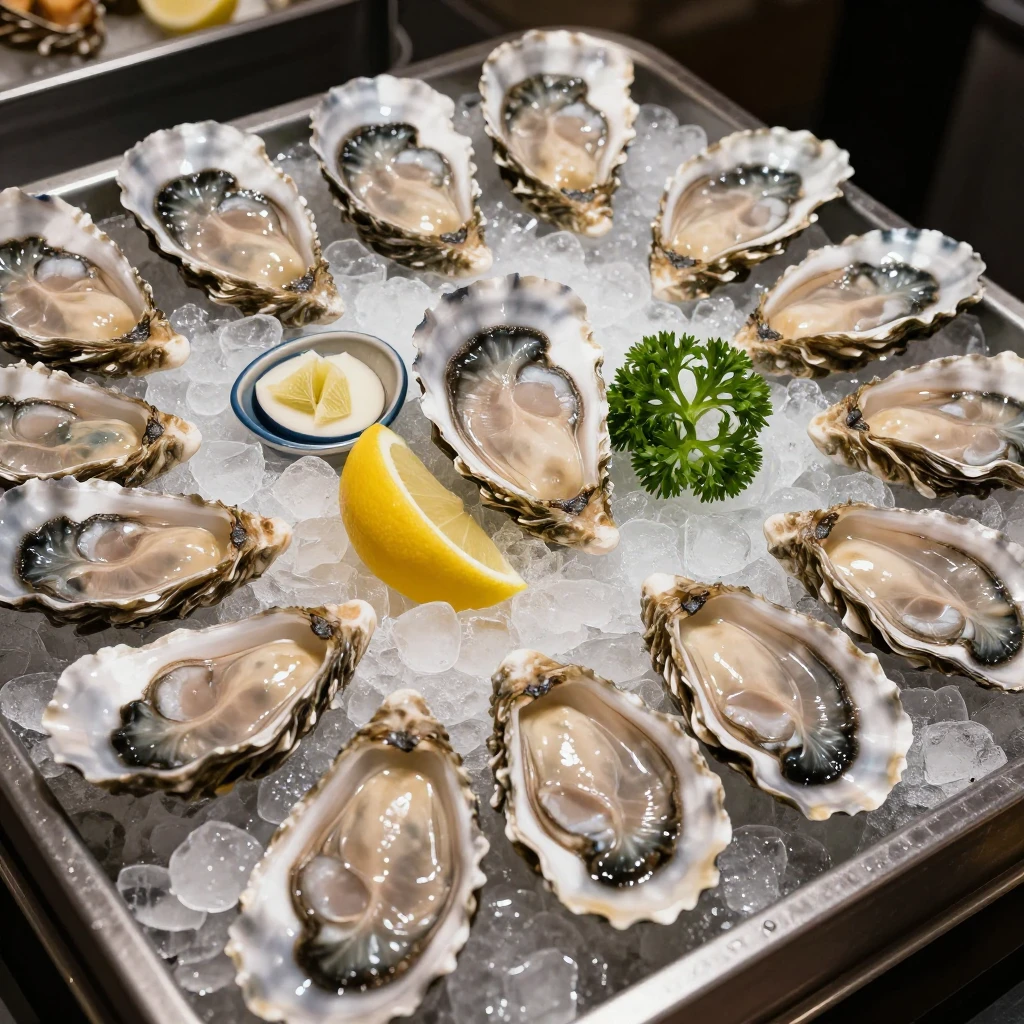
Raw bars have evolved too. Beyond the classic oyster selection, innovative places now offer crudo prepared tableside, live scallops shucked to order, accompaniments that go way beyond mignonette and cocktail sauce. I've seen raw bar programs with house-made hot sauces, fermented accents, international condiments that make each bite completely different.
Top Neighborhoods for Seafood Dining in Montreal
Montreal's seafood isn't concentrated in one area. Each neighborhood offers something different that reflects its character. I've got favorite spots across the city now, each suited to different moods.
Mile End is the hub for innovative, chef-driven concepts. The neighborhood's creative energy and younger crowd have attracted restaurateurs willing to take risks. When I want cutting-edge interpretations and bold flavors, I go to Mile End. The casual vibe makes exceptional seafood feel approachable instead of intimidating.
Old Montreal is more refined, European-influenced. The historic setting and tourist traffic support higher prices and formal service. I come here when I want tableside prep, extensive wine lists, the kind of polished experience that feels like an event. Several spots specialize in classic French preparations—plateaux de fruits de mer, bouillabaisse, sole meunière executed with technical precision.
Little Italy and the Jean-Talon Market area gives you access to Montreal's best seafood shopping plus restaurants emphasizing Italian and Mediterranean prep. I love hitting the market Saturday mornings to see what's available, then eating lunch at a nearby spot that sources from the same vendors. The market-to-table connection feels immediate here.
Downtown offers convenience and variety. Seafood options range from business-lunch oyster bars to hotel restaurants showcasing Quebec ingredients to travelers. It sometimes lacks the neighborhood character, but the concentration of options makes it reliable when I need quality seafood without crossing the city.
Raw Bars vs. Fine Dining vs. Casual Seafood: Finding Your Perfect Experience
Not all seafood experiences are the same. Understanding the different formats helps me pick the right spot for each occasion. Montreal does all three well.
Raw bars emphasize immediacy and simplicity. I go to oyster-focused places when I want clean flavors and a convivial atmosphere. The best raw bars offer a dozen or more oyster varieties with detailed info about origin and flavor. Staff guide you from mild, creamy options to briny, mineral-forward selections. Beyond oysters—clams, shrimp, crab, crudo. Interactive, educational, perfect for casual gatherings or after-work drinks.
Fine dining provides the full theatrical experience. Multi-course tasting menus, wine pairings, artistic plating, refined service. When I'm celebrating or want to be transported by food, this is where I go. Montreal's top-tier seafood restaurants rival anything I've had in coastal cities. Chefs here understand progression and balance across multiple courses. Expect to invest three hours and a significant budget. Worth it.
Casual spots offer the best value and most relaxed vibes. Neighborhood restaurants serving solid fish without pretension or inflated prices. I hit these for weeknight dinners when I want quality without formality. Perfectly grilled whole fish, generous seafood pasta, fish tacos, po' boys. The emphasis is on flavor and portion size, not intricate technique.
Seasonal Considerations: Best Times to Visit Montreal's Seafood Restaurants
Timing matters when you're eating seafood in Montreal. Certain seasons offer specific advantages, and the best restaurants adapt their menus constantly throughout 2026.
Winter—January through March—is prime oyster time. Cold water produces oysters with exceptional sweetness and firm texture. Raw bars offer their most extensive selections during these months. Varieties from Prince Edward Island, New Brunswick, even imported options at peak quality. Winter is also ideal for hearty stews and soups. Cold weather makes cioppino and seafood chowder especially satisfying.
Spring brings soft-shell crabs, typically April through June. I mark this window on my calendar every year. When crabs molt their shells, you can eat them whole—shell and all. Tender, sweet, completely unique. Montreal restaurants that specialize in seasonal ingredients feature soft-shells prominently during this period, often just sautéed or fried to highlight that delicate flavor.
Summer offers the greatest variety. Warmer waters and peak fishing season mean abundant options from local and international sources. I take advantage of summer to try species that are less common other times. Patio dining pairs perfectly with lighter prep—ceviche, grilled whole fish, seafood salads. Many restaurants extend their raw bar offerings to meet increased demand.
Fall, especially September through November, is lobster season in the Maritimes. Available year-round, sure, but lobster reaches peak quality and value during autumn. I've noticed more lobster-focused promotions during this time. Fall is also when I seek out heartier fish like black cod and halibut, which pair beautifully with autumn vegetables and richer preparations.
Supporting Sustainable Seafood: What Montreal Restaurants Are Doing Right
The part of Montreal's seafood scene that gives me the most hope is the genuine commitment to sustainability I've seen across the industry. This isn't marketing—it's fundamental to how many restaurants operate in 2026.
Direct relationships with fishers have become standard among serious places. I've talked to chefs who visit fishing communities regularly, understanding not just what's caught but how. These relationships ensure fair prices for fishers while guaranteeing restaurants get the highest quality products. Several Montreal spots now feature specific fishing boats and families on their menus. Transparency and accountability.
Educational initiatives have impressed me too. Many restaurants include info about fishing methods, stock health, alternative species on their menus. Instead of just listing 'sustainable,' they explain why specific choices matter. I've learned about underutilized species like redfish and mackerel—abundant but underappreciated, offering environmental benefits when you choose them over overfished alternatives.
Zero-waste programs are another area where Montreal excels. Progressive restaurants use fish bones for stock, cure trimmings for tartare, find creative uses for every part. Some have partnered with local farms to ensure unavoidable waste becomes compost instead of landfill. This holistic approach extends beyond just choosing certified seafood to minimizing overall environmental impact.
The results are tangible. Montreal in 2026 proves that exceptional seafood dining and environmental responsibility aren't mutually exclusive. By supporting restaurants that prioritize sustainability, I feel confident I'm contributing to a system that can keep providing incredible seafood experiences for generations. The city's commitment to doing it right—from sourcing to prep to waste management—makes every meal feel not just delicious, but meaningful.