
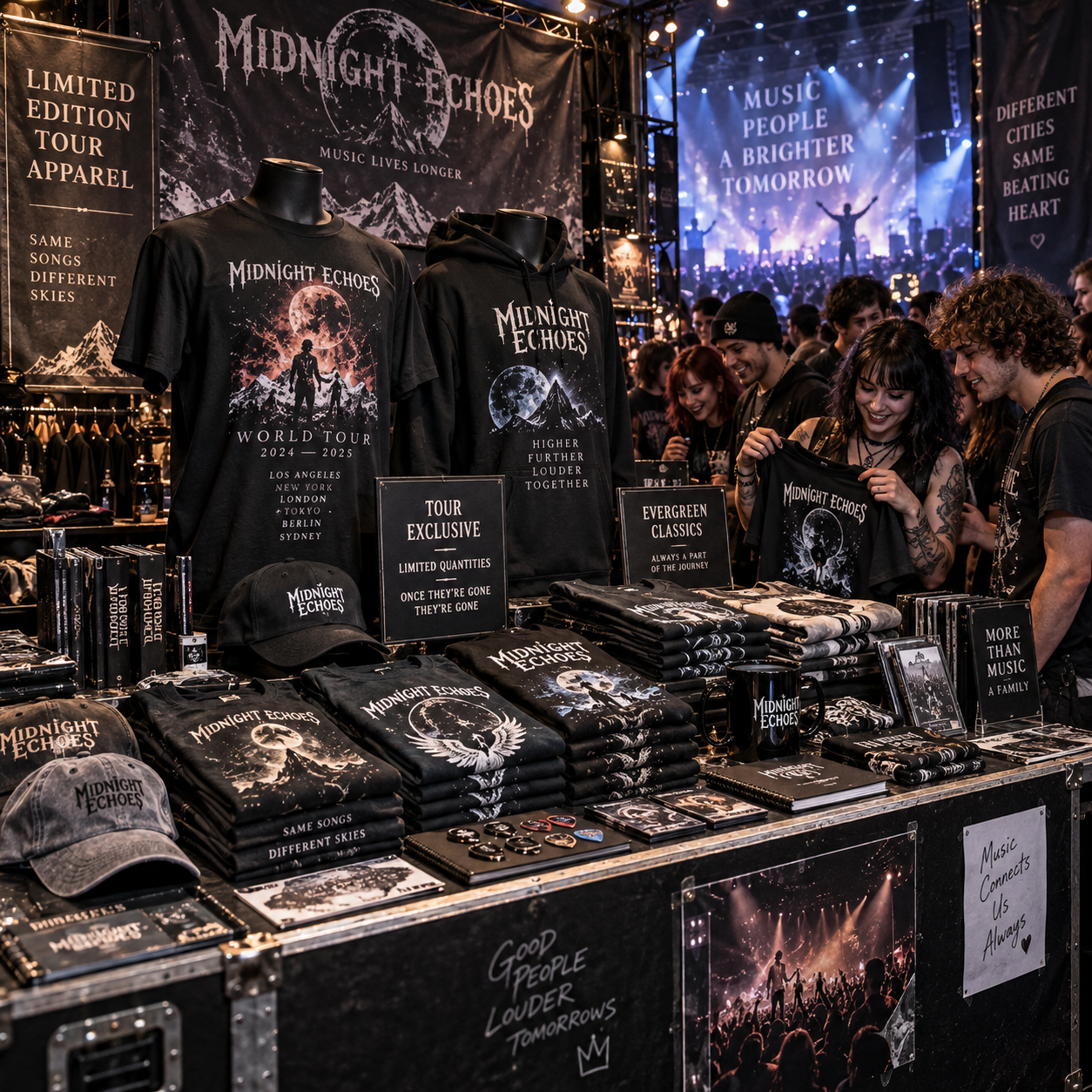
The Psychology Behind Music Merchandise Purchases

A band T-shirt can be clothing, a keepsake, or a quiet way to say, “This music matters to me.” Music merchandise carries meaning beyond its practical use because it connects an artist’s work with a fan’s identity, memories, and relationships. Those motivations differ from person to person, but together they help explain why merch can feel worth keeping long after a show or album release.
Merchandise as an Extension of Fan Identity
Music merchandise gives fans a visible way to express their taste and connection to an artist. Wearing or displaying an item can make a personal preference part of how someone presents themselves to the world.
A tour shirt, hoodie, patch, or poster can communicate musical interests without a conversation. The design might point to a favorite album, a particular era, or a show someone attended. For some fans, that signal is central to their style; for others, the item stays at home, where it still reflects a meaningful part of who they are.
This is fan identity in a practical form: a connection to music made visible through everyday objects. Merchandise can also mark a personal history. A worn shirt from a first concert may represent a period of independence, a friendship, or a change in musical taste. The item’s value comes partly from what it says about the wearer and partly from the story attached to it.
There is no single way to be a fan. Someone may buy every tour design, while another expresses their connection through one carefully chosen item—or not through merchandise at all. The purchase matters when it fits the person, not when it meets an imagined standard of fandom.
The Emotional Meaning of Music Merch
Music merch can hold emotional meaning because fans often connect songs and artists with important moments in their lives. An object associated with that music can serve as a physical reminder of the feelings and experiences around it.
A hoodie bought after a difficult year might bring comfort because the album helped someone through it. A poster may recall the first time a fan saw a favorite artist perform. Even a simple logo can bring back a long drive, a shared playlist, or a particular stage of life.
This connection works through nostalgia and memory. The merchandise does not have to be rare or expensive to matter; its personal context can make an ordinary object feel irreplaceable. Over time, fading ink or a small tear may even become part of the story rather than a reason to replace it.
Emotional value is also subjective. One fan may treasure a concert shirt, while another prefers digital photos or a set list. And a purchase cannot guarantee a lasting connection: a design that feels important in the moment may eventually lose its appeal. Choosing merch for a real memory or feeling, rather than pressure to buy, often makes the item more meaningful.
Belonging to a Fan Community
Music merchandise can help fans recognize one another and feel part of a shared community. A familiar logo or tour design creates an easy point of connection, especially at concerts and fan gatherings.
At a show, seeing the same artist’s shirt on someone else can prompt a smile, a conversation, or a shared recollection of a favorite song. Online, merch photos can become part of how fans discuss a tour, celebrate a release, or show their personal interpretations of an artist’s visual world. These small signals support a sense of belonging, even among people who have never met.
That social meaning can influence what fans choose. Some prefer understated designs that other listeners will recognize; others like bright graphics that invite questions. Either can work as self-expression and as an opening for connection. Merchandise helps signal shared interests, but it does not prove how devoted someone is. Fans who cannot afford merch, dislike wearing logos, or simply prefer other ways to participate belong just as much.
The strongest community effect often comes from the shared experience around the object: a tour, a song, or a moment when a crowd sang together. The item can serve as a reminder of that connection, rather than a membership badge that anyone must own.
Why Tour and Limited-Edition Items Feel Special
Tour and limited-edition merchandise can feel special because it connects a purchase to a specific place, time, or release. Scarcity and event context may add appeal, though neither automatically makes an item more meaningful or valuable.
Tour merchandise acts as a souvenir of live music. A city-specific shirt or a design sold during one tour can bring back the venue, the people a fan went with, and the atmosphere of the performance. Even a standard tour shirt gains personal significance when its owner remembers wearing it home after the show.
Limited editions draw on scarcity: when fans believe an item will not be available for long, they may feel more urgency to decide. An exclusive design can also reflect a particular album campaign, collaboration, or artist era. But limited availability is a marketing condition, not proof of craftsmanship or lasting worth. A fan can value the design without treating it as an investment.
Before buying under time pressure, it helps to ask three questions: Would I want this if it were widely available? Will I use or display it? Does the price fit my budget? This quick check separates genuine interest from the fear of missing out. It also makes room for a simple truth: the memory of a show can matter more than the shirt sold there.
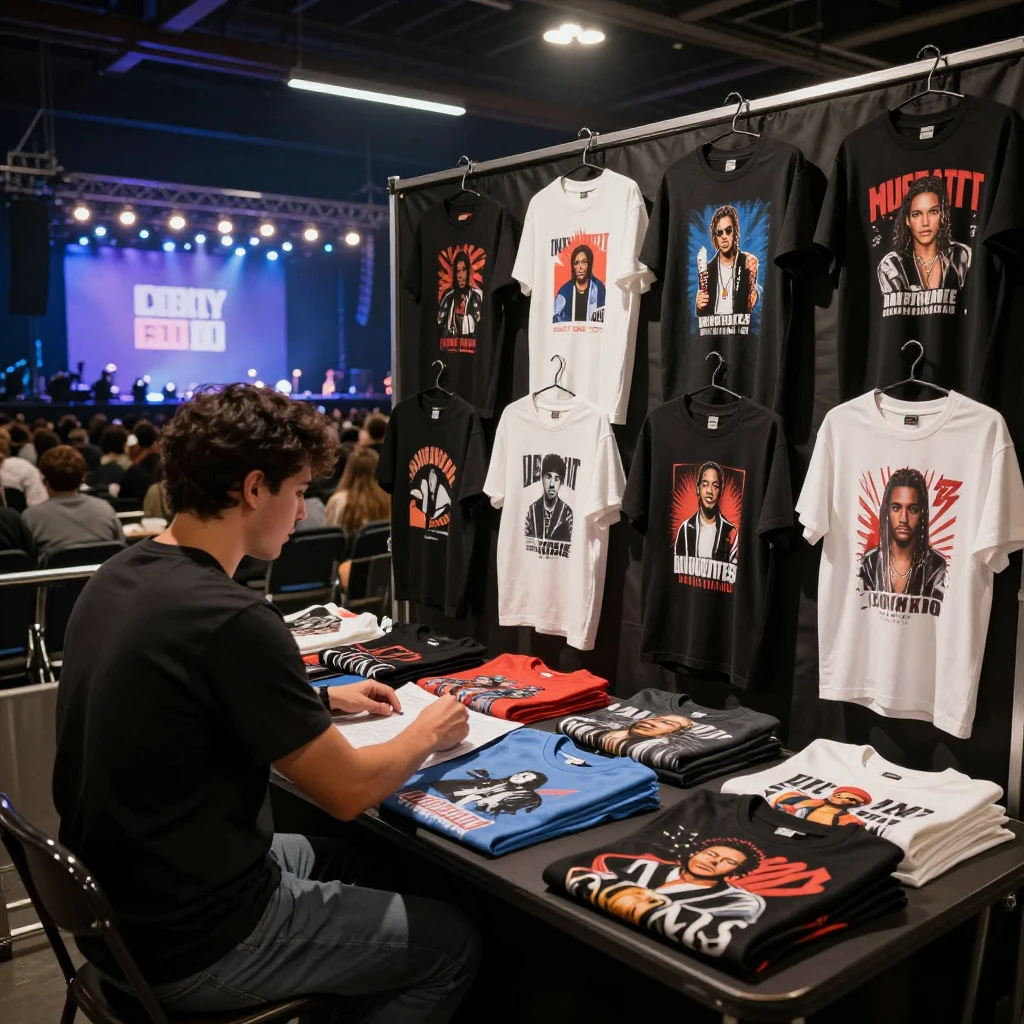
The Role of Artist Branding and Design
Artist branding and product design shape whether music merchandise feels recognizable, wearable, and worth its price. Visual style attracts attention, while comfort, materials, and construction affect whether the item fits into a fan’s life.
An artist’s typography, symbols, colors, and album artwork can make merch feel connected to a particular musical identity. A subtle logo may suit someone who wants everyday clothing; a bold tour graphic may appeal to fans who enjoy making their fandom visible. Good design translates an artist’s visual language into an object fans want to use or keep.
Practical details matter, too. A shirt’s fabric, print quality, fit, and care instructions shape its perceived value. A striking design may disappoint if it feels uncomfortable or wears out quickly. Conversely, a well-made item with a quieter graphic may become a regular favorite.
For fans deciding whether to buy, it helps to consider both sides: emotional fit and practical value. Check sizing information, materials, and the final price, including shipping where relevant. Artist branding can make an item feel special, but the label alone cannot guarantee quality. A purchase makes most sense when the design resonates and the product works for its intended use.
Merch as Support and Personal Keepsake
Buying official music merchandise can support an artist while giving a fan a tangible keepsake. How much of a purchase reaches the artist depends on the sales channel, costs, and agreements behind the product.
Fans often buy merch to show appreciation in a concrete way. Official artist stores and merchandise booths are designed to sell products connected to the artist, but the amount received can vary after production, distribution, venue, and other expenses. For a specific item, the seller or artist’s official information is the best place to check how the purchase is handled.
That support motive can sit alongside personal reasons: a fan may want a comfortable hoodie, a souvenir from a first concert, or a poster that reminds them of a favorite album. In this way, merchandise can be both a transaction and a keepsake. Its meaning does not depend on spending a lot or owning a large collection.
A thoughtful purchase starts with a simple test: choose something you genuinely want, can afford, and will use or enjoy. Merch is one way to support music, but it is not an obligation or a measure of loyalty. Fans can also support artists by attending shows, listening through legitimate platforms, sharing music, or simply valuing the work.
Frequently Asked Questions About Music Merchandise
Fans buy music merchandise for different reasons, including self-expression, emotional memories, community, design, and support for artists. The item’s meaning depends on the fan and the experience attached to it.
Why do fans buy merchandise from their favorite artists?
Fans may buy merch to express their musical taste, feel connected to an artist, remember a concert, or support the artist’s work. Some also simply like the design or find the item useful.
What makes tour merchandise meaningful?
Tour merchandise can remind someone of a particular performance, venue, city, or person they shared the experience with. Its significance usually comes from that context, not from the item alone.
Why are limited-edition music items appealing?
Limited-edition items can appeal because they feel distinctive and may be tied to a short-lived release or event. Scarcity can also create urgency, so it is sensible to consider personal interest and budget before purchasing.
Does buying merch help support musicians?
Purchasing official merchandise can contribute to an artist’s income, but the amount varies by product and sales arrangement. Fans who want to understand the impact can check the artist’s official store or information about the specific release.